
The landscape of UK taxation is undergoing its most significant transformation in a generation. For small business owners and landlords, the shift towards a fully digital tax system is no longer a distant prospect but a current priority. As we approach the mandatory deadlines for 2026, understanding how to prepare for Making Tax Digital (MTD) is essential for maintaining compliance and ensuring the long term health of your enterprise. This transition represents a fundamental change in how financial data is recorded and reported to HM Revenue and Customs (HMRC). At A J Wheeler, we believe that while the new requirements may seem daunting, they offer a unique opportunity to modernise your business processes. By embracing digital tools now, you can move away from the stress of the traditional annual tax return and gain a clearer, real-time view of your financial position.
Understanding the New Thresholds and Deadlines
The first step for any business owner is to determine exactly when these changes will impact their operations. The government has confirmed that Making Tax Digital for Income Tax Self Assessment (MTD for ITSA) will be introduced in phases starting from 6 April 2026. If you are a sole trader or a landlord with a total qualifying income of over £50,000, you are in the first wave of this digital revolution. It is crucial to note that the £50,000 threshold is based on your gross income—your total turnover before any expenses are deducted. This often catches individuals off guard, especially those who may have high turnover but lower profit margins.
For those whose income falls between £30,000 and £50,000, the mandatory start date is 6 April 2027. Planning ahead is vital because HMRC will use your 2024 to 2025 tax return to identify if you meet the initial criteria. If you wait until the last minute to prepare for Making Tax Digital, you risk a rushed transition that could lead to errors and unnecessary stress. The new system requires you to keep digital records of all your business transactions and send quarterly updates to HMRC. This replaces the old method of submitting a single annual return. Each update provides a summary of your income and expenditures, allowing for more frequent touchpoints with the tax office and, ideally, fewer surprises at the end of the financial year.
Moving Beyond Spreadsheets to Compliant Software
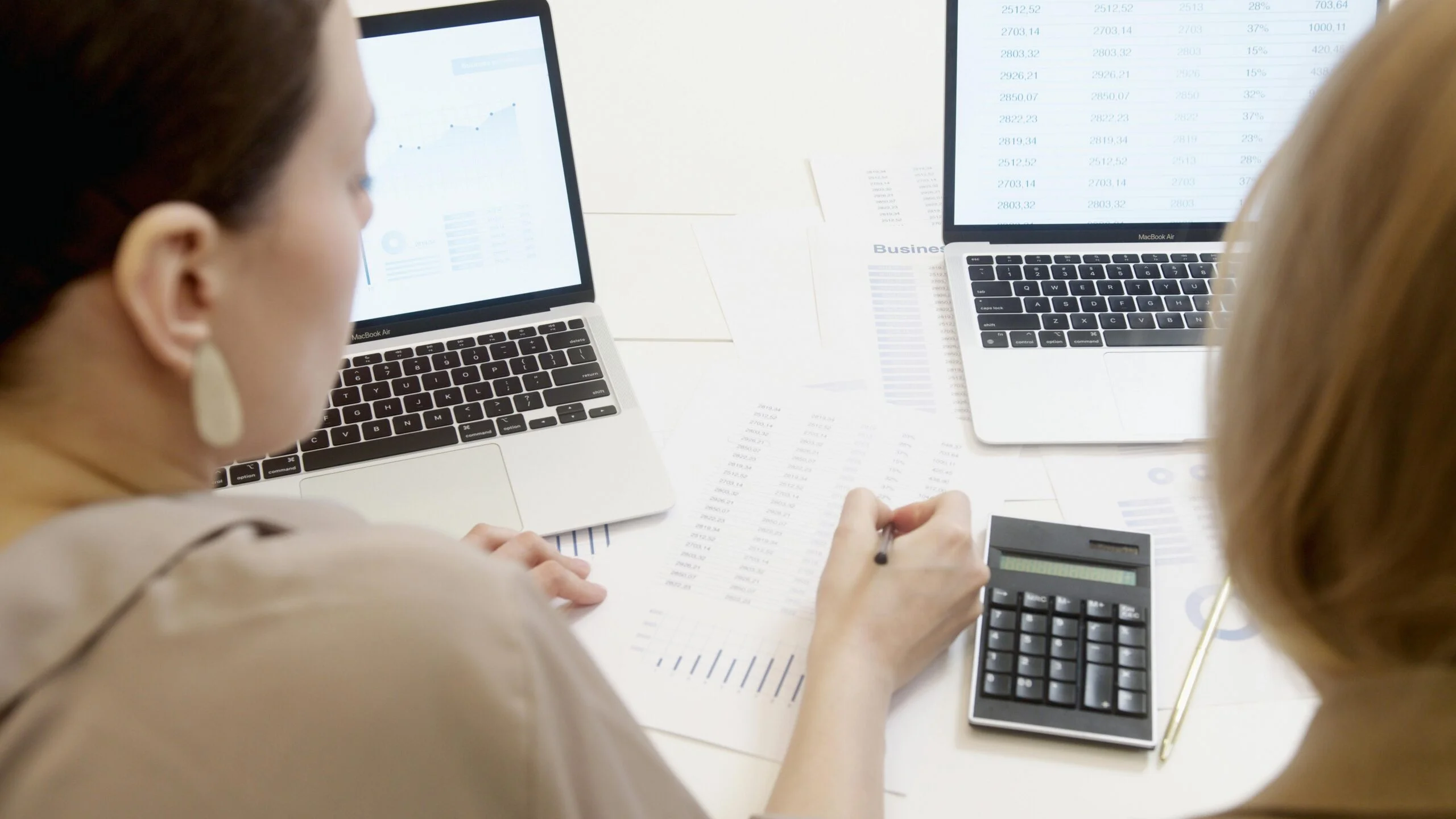
A common misconception is that a simple spreadsheet will suffice for the new reporting standards. While spreadsheets can be used, they must be “digitally linked” to HMRC through bridging software. However, for most growing businesses, the most efficient way to prepare for Making Tax Digital is to adopt dedicated, HMRC-recognised accounting software. Modern platforms such as Xero or QuickBooks are designed to automate much of the heavy lifting. These tools allow you to link your business bank accounts directly, meaning transactions flow into your records automatically. This reduces the risk of manual entry errors and ensures that your digital records are always up to date.
Choosing the right software is a decision that should be made in consultation with your accountant. At A J Wheeler, we work with a variety of platforms to ensure our clients in Portsmouth and Brighton have the best tools for their specific industry. For example, landlords might benefit from software specifically tailored to property management, while construction firms under the CIS scheme need robust tracking for subcontractor payments. When you prepare for Making Tax Digital by implementing these systems early, you give yourself and your team time to become proficient with the interface. This “soft landing” period is invaluable for iron out any kinks in your internal processes before the legal requirements become mandatory.
The Shift to Quarterly Reporting and Digital Record Keeping
The move to quarterly updates is perhaps the most significant cultural shift in the MTD era. Instead of a mad scramble every January, you will now provide updates every three months. To successfully prepare for Making Tax Digital, you must establish a routine for digital record keeping. This means every receipt, invoice, and expense must be captured digitally at the time of the transaction. Many modern accounting apps allow you to simply take a photo of a receipt on your smartphone, which the software then reads and categorises using AI technology. This real-time approach to bookkeeping ensures that your quarterly updates are accurate and reflective of your actual business performance.
Some business owners worry that quarterly updates mean paying tax four times a year. However, the payment deadlines currently remain the same, with the main tax bill and payments on account still due in January and July. The primary difference is the frequency of data submission. When you prepare for Making Tax Digital, you are essentially building a continuous stream of financial data. This data provides you with a running estimate of your tax liability throughout the year. Having this visibility allows for better cash flow management, as you can set aside the exact amount needed for tax rather than guessing based on the previous year’s performance. It turns tax compliance from a retrospective chore into a forward-looking business strategy.
Strategic Benefits of Early Adoption for Small Businesses
While compliance is the driving force behind these changes, there are significant strategic advantages to early adoption. When you proactively prepare for Making Tax Digital, you are forced to review and improve your financial systems. This often leads to identifying inefficiencies that were previously hidden in a pile of paper records. For instance, digital systems can highlight late-paying customers or identify areas where your business costs are rising unexpectedly. By having this information at your fingertips, you can make informed decisions about pricing, investment, and growth.
Furthermore, being MTD-ready makes your business more resilient. In an increasingly digital world, having your financial data in the cloud ensures it is secure and accessible from anywhere. This is particularly beneficial for businesses with multiple locations or those who work remotely. As your partners at A J Wheeler, we can access your digital records in real time to provide timely advice. We no longer have to wait for you to bring in a bag of receipts at the end of the year. This collaborative approach means we can offer proactive tax planning and business advice when it matters most. Preparing for Making Tax Digital is, in many ways, to prepare your business for the future of the UK economy.

Frequently Asked Questions to help you prepare for Making Tax Digital
What exactly is the threshold for MTD for ITSA in 2026?
From 6 April 2026, the threshold is a total qualifying income of more than £50,000. This includes combined income from self-employment and rental property. It is based on gross turnover, not your final profit.
Do I still need to file a final tax return?
Yes, in addition to the four quarterly updates, you will still need to submit a “Final Declaration” by 31 January following the tax year. This is where you confirm the overall figures and claim any relevant tax reliefs or adjustments that weren’t included in the quarterly snapshots.
Can I still use my accountant if I move to digital software?
Absolutely. In fact, moving to digital software often makes the relationship with your accountant more productive. We can view your data in real-time, helping you to prepare for Making Tax Digital by ensuring your categorisations are correct and providing strategic advice throughout the year.
What happens if I miss a quarterly update deadline?
HMRC is introducing a new points-based penalty system. For each late submission, you will receive a point. Once you hit a certain threshold of points, a financial penalty will be applied. There is generally a “soft landing” period, but it is best to establish good habits early.
Is my data safe in the cloud?
Yes, reputable HMRC-recognised software providers use bank-level encryption to protect your data. Cloud-based systems are often more secure than physical records or files stored on a single local computer, as they are backed up automatically and protected against physical loss or hardware failure.
When should I start the transition to digital?
The best time to start is now. By beginning to prepare for Making Tax Digital today, you can choose the right software, digitise your historical records, and get used to the new reporting cadence without the pressure of an immediate legal deadline.
Share This Story, Choose Your Platform!
About the Author: AJ Wheeler